

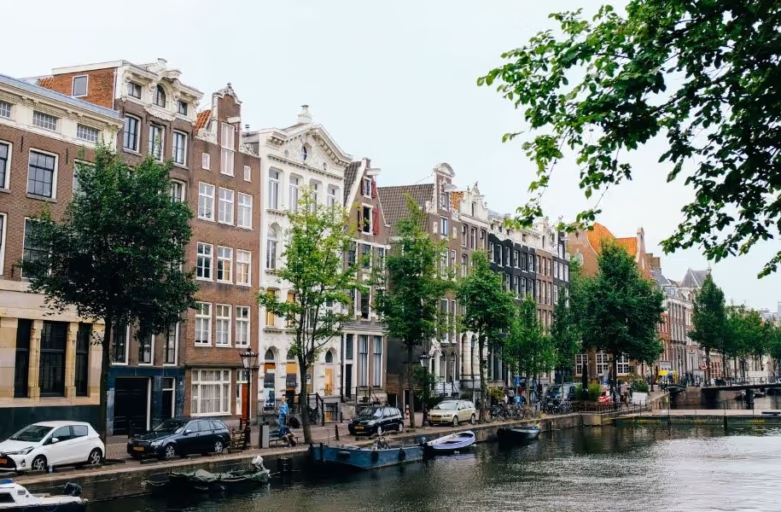
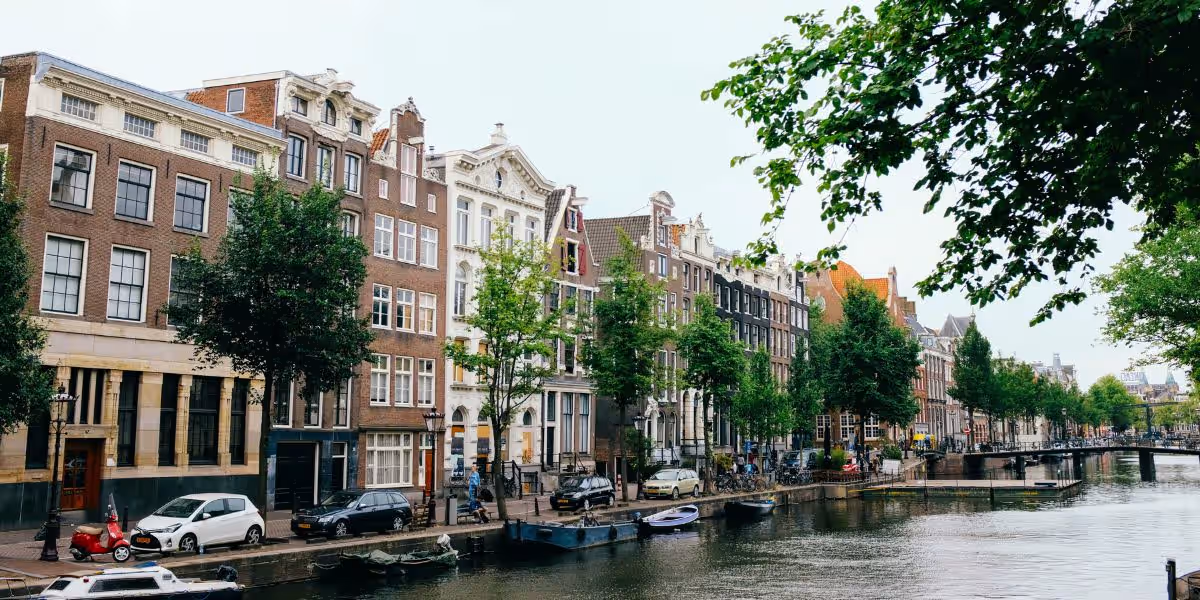
The Jordaan district is only 10 minutes from Amsterdam Central Station and is located in the famous canal belt, making it easily accessible to shopping, famous museums, historical landmarks, and other attractions. The Jordaan area is widely recommended as one of the most desirable neighborhoods in Amsterdam and a lovely area to explore in the Netherlands. Our tour specialist favourite 7 things to do in Jordaan Amsterdam.
- Visit Museums
- Explore Houseboats
- Take a Jordaan Walking Tour
- See Historic Monuments
- Shop for Dutch Products
- Take a Boat Tour in the Jordaan District
- Cycle Through the Jordaan
Now, you know what to do in the Jordaan area, but you need a proper guide for where to eat, what to buy, the best way to travel, and where the museums are. To save your time and make your Amsterdam tour memorable, we are giving you a proper guide to what we Dutch do and insights so that you can explore the Jordaan neighborhood of Amsterdam in 3 hours without missing anything.
Table of Contents
ToggleHistory of DE Jordaan
The name ‘Jordaan’ first appeared in 1718 in a poem by Robert Hennebo. The Jordaan was built in the 17th century for people who had financial struggles, and lower working class people especially immigrants. In 1900, around 80,000 people lived in the Jordaan. The Jordaan became impoverished and neglected during WWII. The kingdom neglected this poverty-stricken area; however, in the 1970s, the Jordaan was revitalized into a trendy area.
Today, the Jordaan area has become the most affluent neighborhoods because of its beautiful canals and surrounding streets. It takes minimum 3 hours and maximum 5 hours to explore the Jordaan area properly. Amsterdam’s Jordaan District is filled with art galleries, charming cafes, lovely brown cafés, museums, markets, and restaurants serving Dutch and international dishes. At the same time, the traditional houseboats remain today and carry the history of the Netherlands.
Best way to explore the Jordaan in 3 Hours
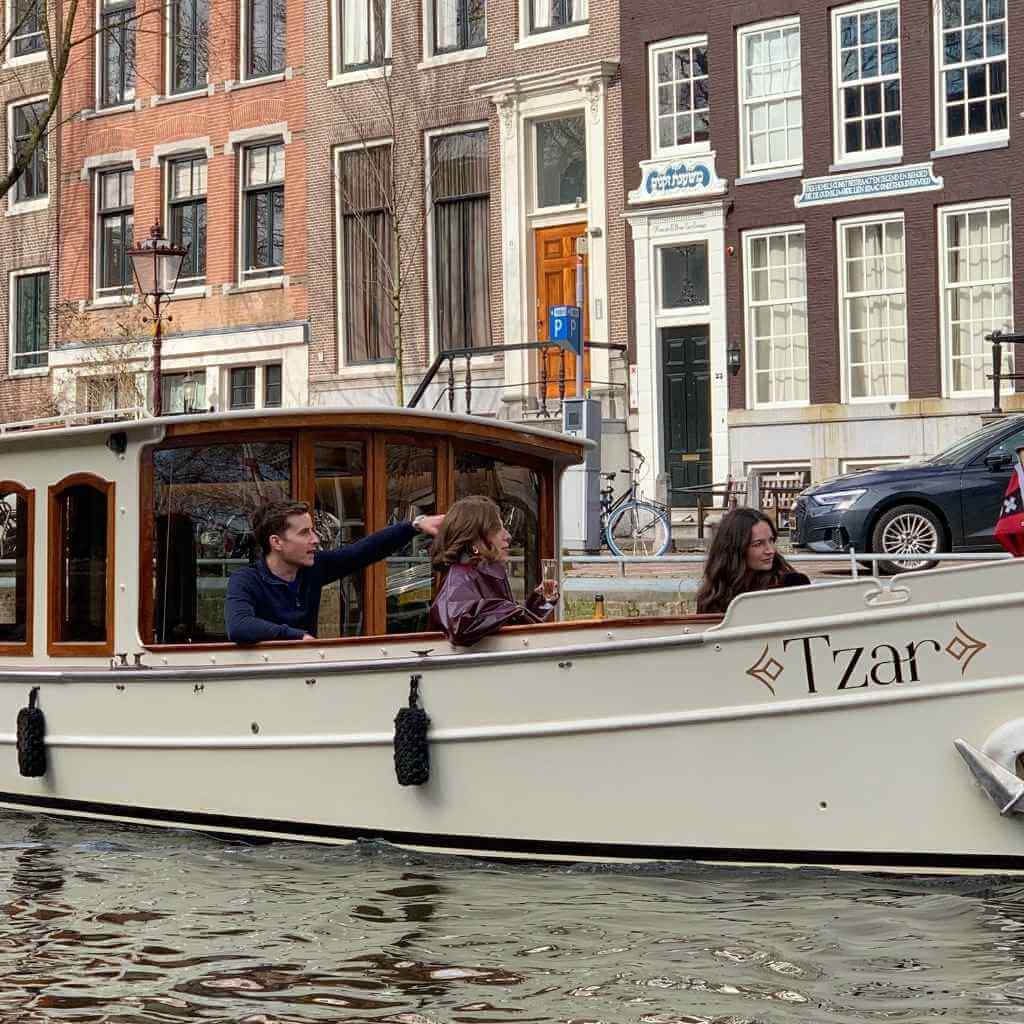
The best way to explore the Jordaan neighborhood is by boat tour, cycling, and walking. But when you choose the boat tour, it takes only 90 minutes to explore the entire Jordaan District by boat. You can see historical landmarks, houseboats, bridges, canals, monuments, and museums from a private boat tour. In addition, you can book a high tea cruise, a cookie cruise, a cheese and wine tour, or a dining tour while on board. You can enjoy the food at Jordan’s best restaurant while exploring the beautiful Jordanian district.
Furthermore, you can shop and visit canal-side restaurants, cafes, and markets—the famous Nine Streets area in the Jordaan neighborhood. The top Jordaan neighborhood 5 canals include Prinsengracht (Prince’s Canal), Rouwersgracht, brouwersgracht, Bloemgracht, and Egelantiersgracht.
What to See in Jordaan district in Amsterdam
Getting from Amsterdam City Center to the Jordaan district takes 10 minutes by public transport and exactly 20 minutes on foot. After the post-World War II renovation, Jordaan has become a top tourist spot in Amsterdam. We are listing what to do in Jordaan,Amsterdam, from the guide author’s personal review.
Best time to Visit in Jordaan District
The Jordaan district stays engaging, and it offers unique features for each festival and month. The best months to visit in the Jordaan district are April–August. You can also visit the special days of the Netherlands, such as Valentine’s Day, King’s Day, Gay Pride, Tulip Season, the Amsterdam Light Festival, and the Grachtenfestival. You can check the session guide: summer, spring, rainy, winter, and autumn for visiting Amsterdam.
Anne Frank House
Anne Frank House Museum is located along the beautiful Prinsengracht canal in the heart of the Jordaan. Additionaly, The Anne Frank House is a famous museum in Jordaan. Why is the Anne Frank House the most visited ?.
This memorial museum is the original building where Anne Frank lived. According to Anne’s diary, her family and four others hid from Nazi occupation during World War II between July 1942 and August 1944. You can see the diary and her handwriting inside the museum.
The History Behind the House
When Nazi Germany occupied the Netherlands during World War II, Anne Frank’s family went into hiding in a concealed section of Otto Frank’s business premises at Prinsengracht 263—the hidden area, later known as the Secret Annex. After returning to Amsterdam, he fulfilled Anne’s dream of becoming a writer by publishing her diary.
The museum opened in 1960 and today serves as both a memorial and educational center dedicated to Anne Frank’s life, the Holocaust, and the importance of freedom and human rights.
The Anne Frank House is a must-visit museum. Entrance fees start at €16.50 for adults. Check the ticket section for more details. The opening hours are 9:00 to 22:00 every day. The Anne Frank House is in the city center of Amsterdam, but the museum entrance is around the corner at Westermarkt 20.
Note : Tour duration is 30 minutes. They have an introductory program for curious visitors. To get the guide, contact the ticketing while to learn in detail about the history of Anne Frank in the context of the Second World War.
Houseboat Museum
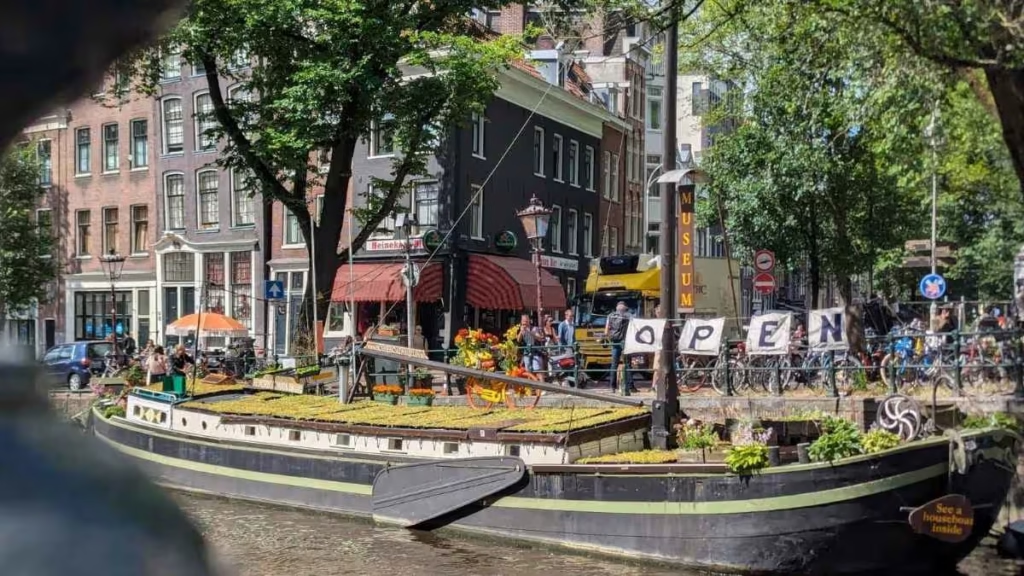
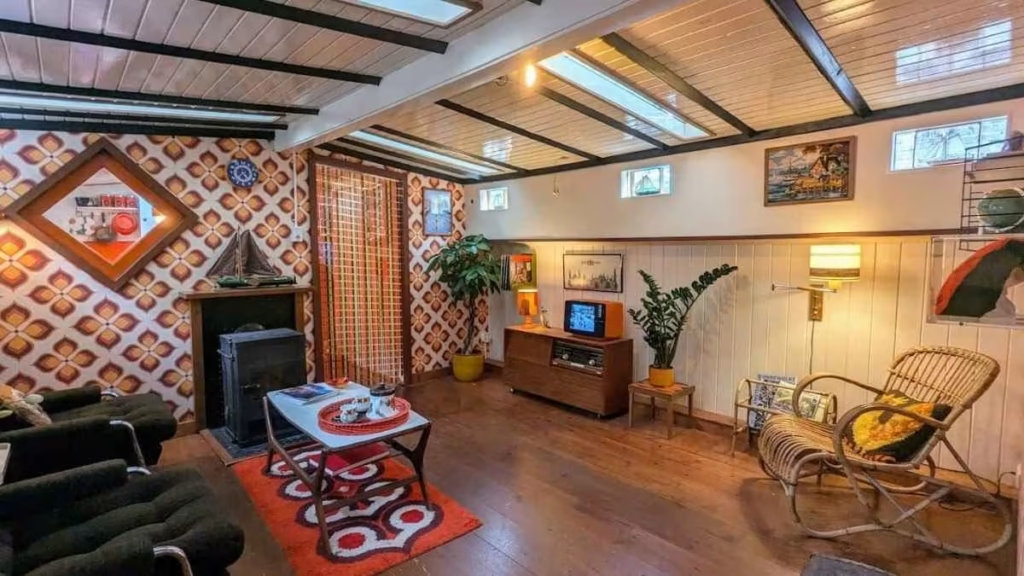
The Houseboat Museum is housed inside the “Hendrika Maria,” a former cargo vessel built in 1914. The cargo ship was built into a comfortable floating home with every home appliance from the centuries. The museum is located on the Prinsengracht canal at the edge of the Jordaan district, approximately a five-minute walk from the Anne Frank House and Westermarkt and 10 minutes’ distance from the Van Gogh Museum. Check the detailed guide on what to see inside the houseboat museum.
You can get a rare opportunity to step aboard a real Dutch houseboat and explore its living spaces firsthand. The museum authority has been preserving and showcasing Amsterdam’s unique houseboat culture, which has become a piece of Dutch maritime heritage.
Inside the Houseboat Museum
Large windows
Living room
Fireplace
Skipper’s Quarters cabin
Kitchen
Original bathroom from 1914
Sundeck
Souvenir shop
Books
Highlights
The self-guided audio tour is available in multiple languages.
The Houseboat Museum is air-conditioned and well-heated for winter.
Tour Duration 25 to 35 minutes
Photography allowed onboard
Open every day from 10-17
Entrance fee: € 9,50 for Adults, € 5,00 for children.
Entrance is free with the Iamsterdam City Card, Amsterdam Pass, or Go City Pass.
Is the Houseboat Museum Worth Visiting?
Yes, The Houseboat Museum is located on a preserved houseboat since 1914. The Houseboat Museum offers a chance to experience Dutch local life from the inside. It’s a small museum and a top place to explore in the Jordaan area.
Get Tulip Bulbs at the Amsterdam Tulip Museum
The Tulip Museum showcases the history of tulips in the Netherlands. Inside the tulip museum, you can learn about tulips’ association with Dutch culture, how they arrived in Europe, the economic impact of tulips over the last 400 years, the story of the Dutch Golden Age, and how a flower helped shape Dutch identity.
Tulip experts from North Holland created the Amsterdam Tulip Museum to preserve and share the tulip’s history. Located directly across the canal from the Anne Frank House, the museum’s most fascinating section focuses on the famous “Tulip Mania” of the 1630s. During this period, rare tulip bulbs became so valuable that some sold for prices comparable to houses. You will find rare historical documents, illustrations, and images in the museum. From the shop, you can buy flowers, tulip-related items, souvenirs, and tulip bulbs.
Van Gogh & Rembrandt in Amsterdam
You can explore the works of two famous Dutch artists in one museum. Although Vincent van Gogh and Rembrandt never met, you will get a full multimedia experience of their stories together, learning about a fascinating journey through Dutch art, history, and culture. This museum is located inside the Noorderkerk in the Jordaan district.
Highlights
Audiovisual show projected onto the walls, ceiling, and interior architecture of the historic Noorderkerk.
Tour duration: Approximately 40 minutes
Multiple language audio options available
Galerie Ron Mandos
Galerie Ron Mandos is located along the historic Prinsengracht canal. The gallery has played a major role in shaping the Dutch contemporary art scene for more than 25 years. Galerie Ron Mandos represents more than 30 artists from around the world and participates in major international art fairs.
Karthuizerhof
Karthuizerhof is the almshouse courtyards and was built in 1650 by city architect Daniël Stalpaert.
Madelievenplein
Madelievenplein is a small neighborhood square that offers visitors a glimpse into everyday life in the Jordaan. Traditional Jordaan houses, cafés, and local businesses surround the square.
Sint Andrieshofje
Sint Andrieshofje is the oldest almshouse in Amsterdam. This Hofje was founded in 1614.
De Drie Hendricken
De Drie Hendricken (The Three Hendricks) is located at the Bloemgracht canal. The three houses were built in the early 17th century during Amsterdam’s rapid expansion and economic prosperity. This house’s symmetrical design, traditional brickwork, and distinctive gables showcase classic 17th-century Dutch architecture. You can not enter the houses, but you can take photos from outside.
Popular Monuments in Jordaan
Amsterdam’s Tehuis voor Arbeiders
Plonerstichting
Discover Traditional Dutch Food and Beers in Jordaan
The Jordaan isn’t just about canals, museums, and historic narrow streets. You can explore one of Amsterdam’s best neighborhoods to taste authentic Dutch food. From traditional food and historic brown cafés to artisan pastries and locally brewed beers, you will find it all in Jordaan.
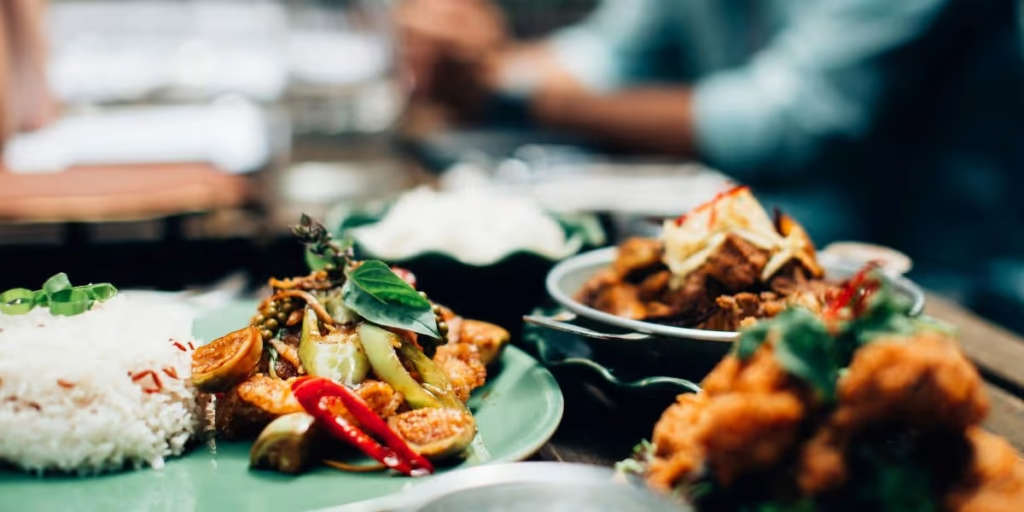
Moeders: Traditional Dutch Comfort Food
Moeders offers traditional Dutch cuisine in a homely atmosphere. Moeders (“Mothers” in Dutch) has been serving home-style Dutch cooking in a cozy setting, decorated with hundreds of photographs of mothers from around the world, since 1990.
What to Try
Dutch Rijsttafel
Stamppot
Suddervlees
Hachée
Erwtensoep (Snert)

Pizzeria La Perla: Jordaan's Local Favorite
Pizzeria La Perla is known for some of the best pizza in Amsterdam. La Perla has become a culinary institution in the Jordaan. The family-run restaurant is famous for its authentic wood-fired pizzas.
Specialties
Margherita with San Marzano tomatoes and buffalo mozzarella
Truffle and mushroom pizza
Burrata pizza with fresh seasonal toppings
Fennel salami

Café Chris: Amsterdam's Oldest Brown Café
Café Chris is one of the oldest brown cafés. This café remains a favorite gathering place for locals seeking an authentic Dutch pub experience.
What to Drink
Dutch Pilsner
Craft Beers
Jenever
Café Lowietje: A True Jordaan Institution
Café Lowietje is one of the most iconic brown cafés and has long been associated with traditional Jordaan culture. The café became nationally famous through Dutch television.
Favorites
Dutch Draft Beers
Bitterballen
Genever

Café Thijssen: Canal Views and Local Brews
Café Thijssen combines the atmosphere of a traditional brown café with one of the best canalside locations.
Favorites
Dutch Craft Beer
Bitterballen and Borrel Snacks
Dutch Sandwiches
SAINT-JEAN Bakery: Amsterdam's Most Popular Artisan Bakery
Head to SAINT-JEAN Bakery on Lindengracht. This award-winning bakery is known for exceptional pastries, artisan baking techniques, and creative seasonal flavors.
Favorites
Cruffins
Raspberry & Hibiscus Danish
French Toast with Strawberry & Bergamot
Seasonal Danish Pastries
Dutch Foods You Should Try in Jordaan
Stamppot
Bitterballen
Hachée
Erwtensoep
Dutch cheeses such as Gouda and Edam
Apple pie
Fresh stroopwafels
Jenever
You can also try Long Pura, which specializes in Indonesian cuisine in the Jordaan. Jordaan is a food lover’s heaven.

Enjoy Authentic Dutch Apple Pie in Jordaan
Taste a slice of traditional Dutch apple pie, known locally as appeltaart. Unlike American pancakes, Dutch apple pie features a thick buttery crust, generous chunks of cinnamon-spiced apples, raisins, and a rich crumbly topping.
Among the many cafés serving apple pie in Amsterdam, two places consistently stand out: Winkel 43 and Cafe Papeneiland. Both have earned legendary status among locals and visitors, and trying both is a delicious way to settle one of the biggest foodie debates.
Pianola Museum
The Pianola Museum offers one of the most unusual cultural experiences in the Jordaan. This small museum is dedicated to the fascinating world of self-playing pianos, or automatic pianos. It is considered the smallest museum, but it is for music lovers.
The pianola was invented in the late 19th century. This musical instrument plays music automatically using perforated paper rolls. It was incredibly popular before the radio era. The paper rolls contain everything from classical masterpieces to jazz, ragtime, popular songs, and historic recordings.
Note: Visitors are not allowed to touch any instruments.
Place Highlights
An impressive collection of original pianolas,
Reproductions of pianolas
Self-playing keyboard instruments
Collection of More Than 30,000 Music Rolls
Demonstrate how the pianolas operate
Address: Westerstraat 106, 1015 MN Amsterdam.
The entrance fee starts at 9 euros for adults; see the details in the ticket section. They are only open on Friday, Saturday, and Sunday. From Central Station, the Pianola museum is reachable on foot in 15-20 minutes.
Taste Famous Dutch Cheeses at Cheese Museum
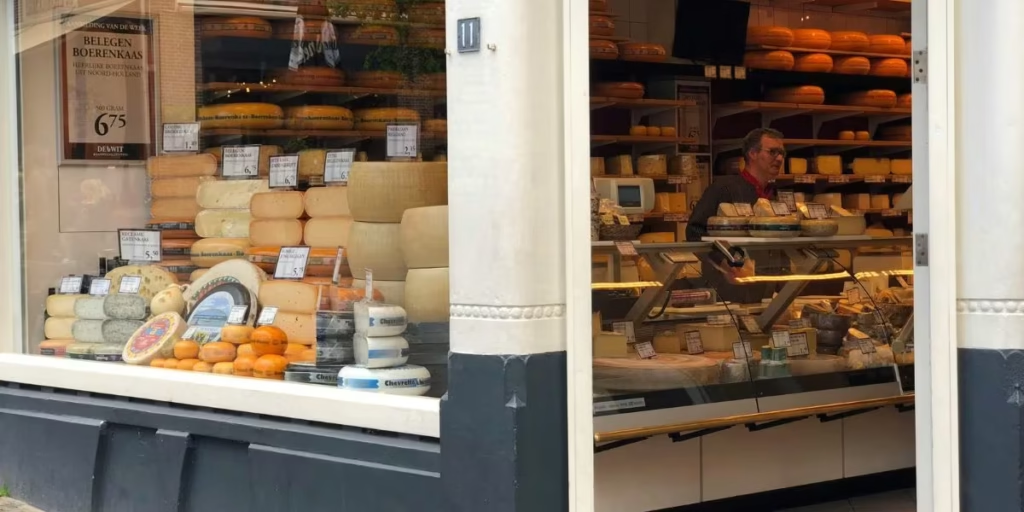
The Cheese Museum offers insights into Dutch cheese production. You can taste different types of Dutch cheeses for free at the Amsterdam Cheese Museum. Cheese Museum is a combination of a tasting experience and a specialty cheese shop, where you can discover the history of Dutch cheese, learn about traditional cheese-making, and take home some cheese.
Dutch cheese-making dates back more than 600 years, and varieties such as Gouda and Edam have become famous worldwide. The museum combines interactive exhibits, educational displays, historical information, and extensive cheese tastings.
Inside the museum shop, visitors can buy an impressive range of Dutch cheeses, including Gouda, Edam, smoked cheese, truffle cheese, herb-infused cheeses, goat cheese, and extra-aged varieties. The tour duration is approximately 20–45 minutes. Visitors are allowed to take photos inside the museum.
Dam Square
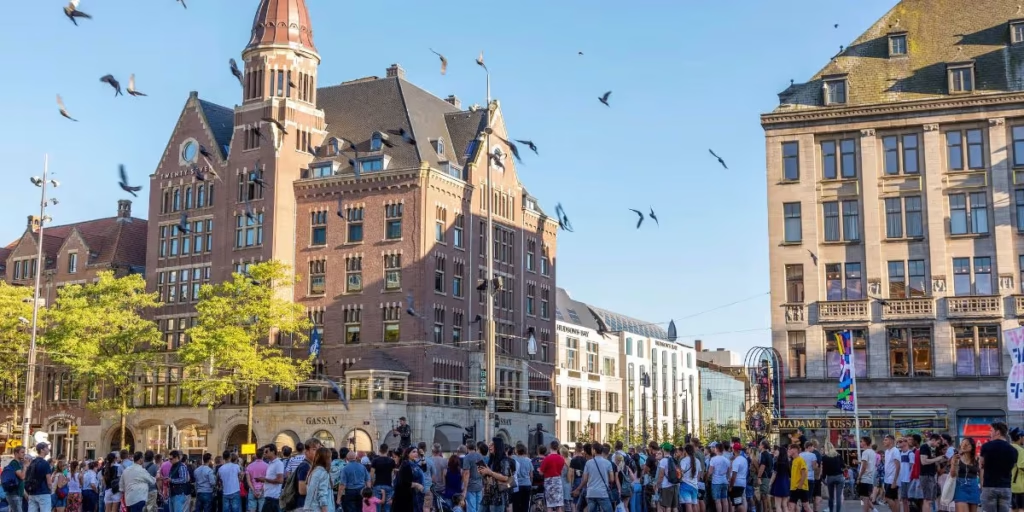
Dam Square was created in the 13th century when a dam was built across the Amstel River, giving Amsterdam its name. Over time, the area developed into the city’s main marketplace.
Today, Dam Square remains one of Amsterdam’s busiest and most iconic public spaces, surrounded by historic buildings such as the Royal Palace Amsterdam, the National Monument, and Nieuwe Kerk, street performers, cafés, and cultural attractions. Dam Square is a 10-minute walk from the Jordaan.
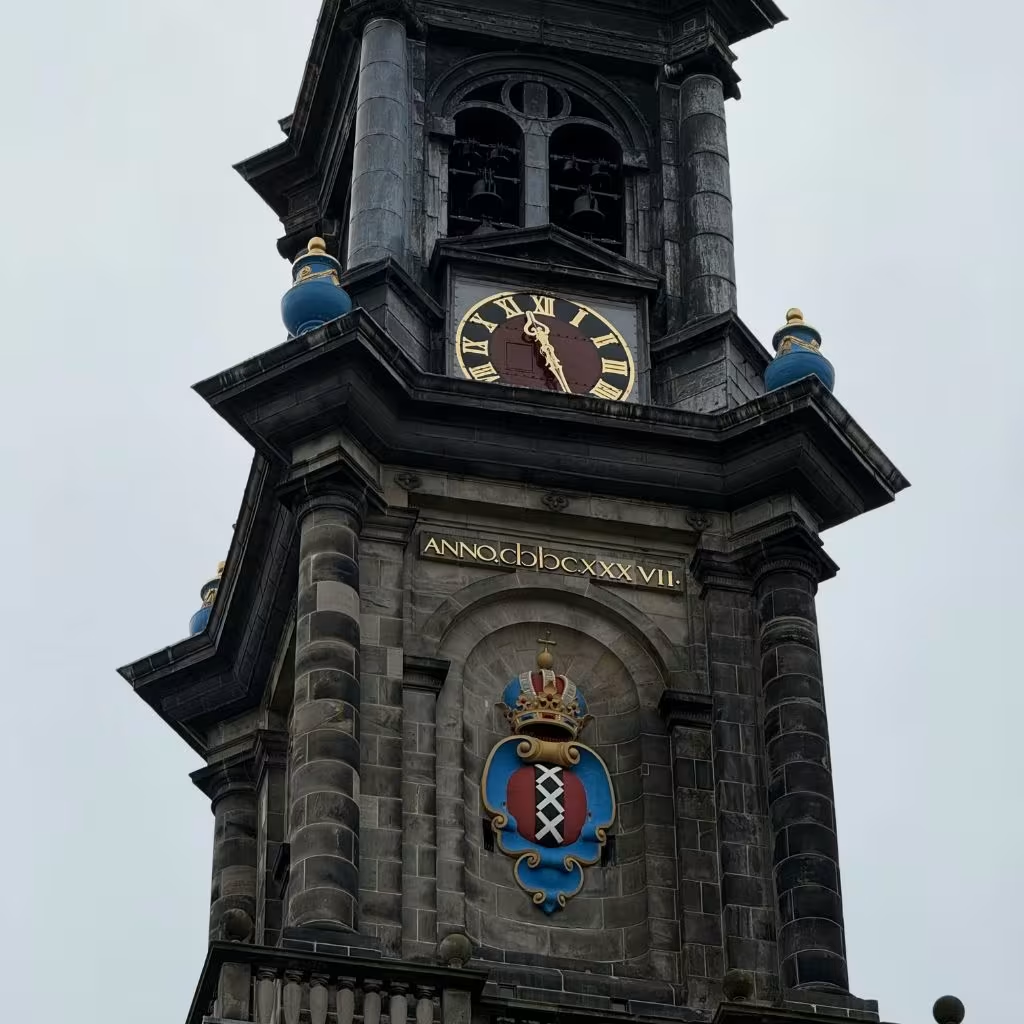
Noorderkerk Church
Noorderkerk Church (Northern Church) is one of Amsterdam’s most significant Protestant churches. Built between 1620 and 1623 during the Dutch Golden Age, it was specifically constructed to serve the rapidly growing population of the Jordaan district. Renowned architect Hendrick de Keyser designed the church. You can explore Unique Architectural Design and Interior.
Saturday Organic Farmers’ Market: Fresh produce, Dutch cheese, bread, flowers, and local specialties.
Monday Flea Market: Antiques, vintage clothing, books, collectibles, and second-hand treasures.
Shopping in Amsterdam Jordaan
Shopping in Jordaan is a complete experience because, instead of large international brands, you can buy from vintage stores and local markets. Inside Jordaan, you can get Dutch design, handmade jewelry, vintage fashion, unique home décor, locally made souvenirs, cheese, and food stores.
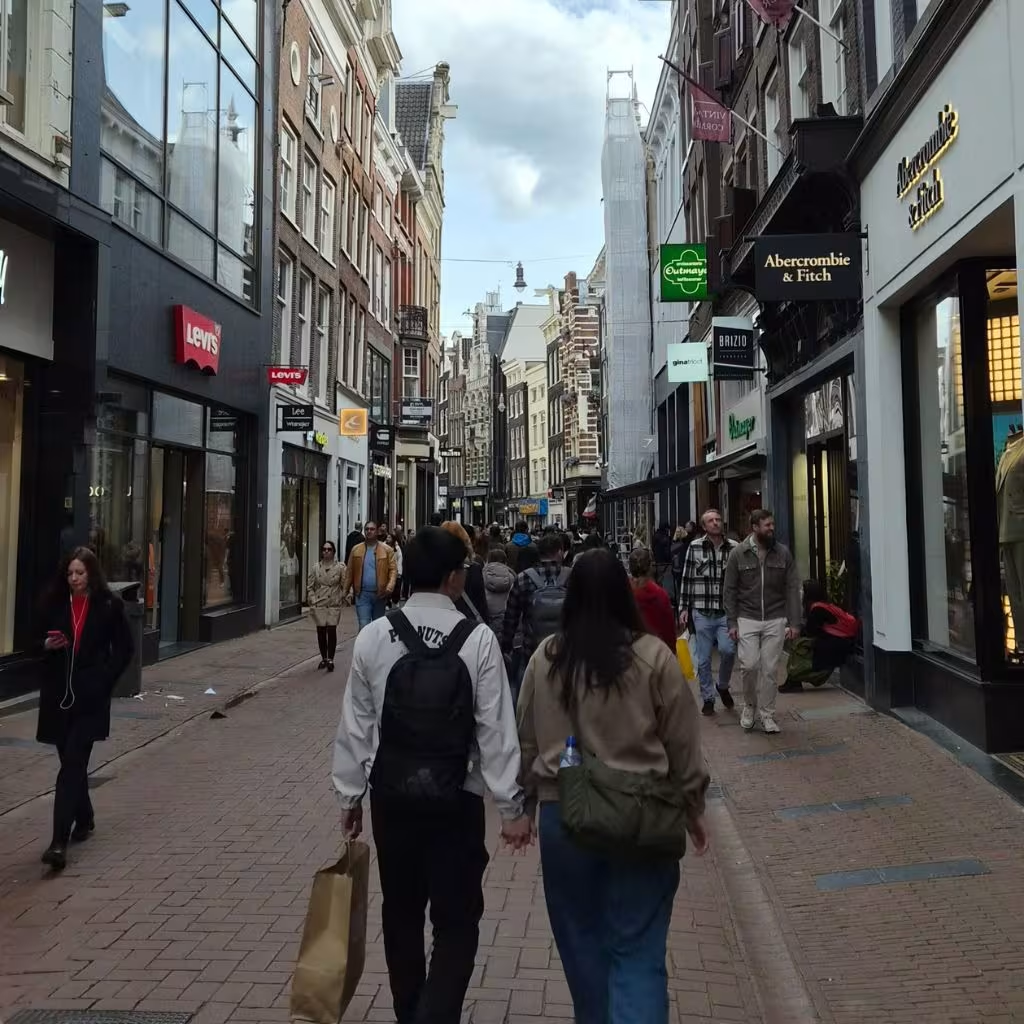
Haarlemmerstraat and Haarlemmerdijk
Located on the other corner of the Jordaan, Haarlemmerstraat and Haarlemmerdijk are consistently ranked among Amsterdam’s best shopping streets. The area is particularly popular with locals seeking unique products, boutiques, food shops, artisan bakeries, bookstores, and trendy lifestyle brands.
Westerstraat
Westerstraatmarkt operates every Monday with over 200 stalls. Westerstraat is one of the Jordaan’s most vibrant narrow streets and a favorite destination for boutique shopping. Small fashion stores, vintage shops, art galleries, and local designers line the street every Monday morning.
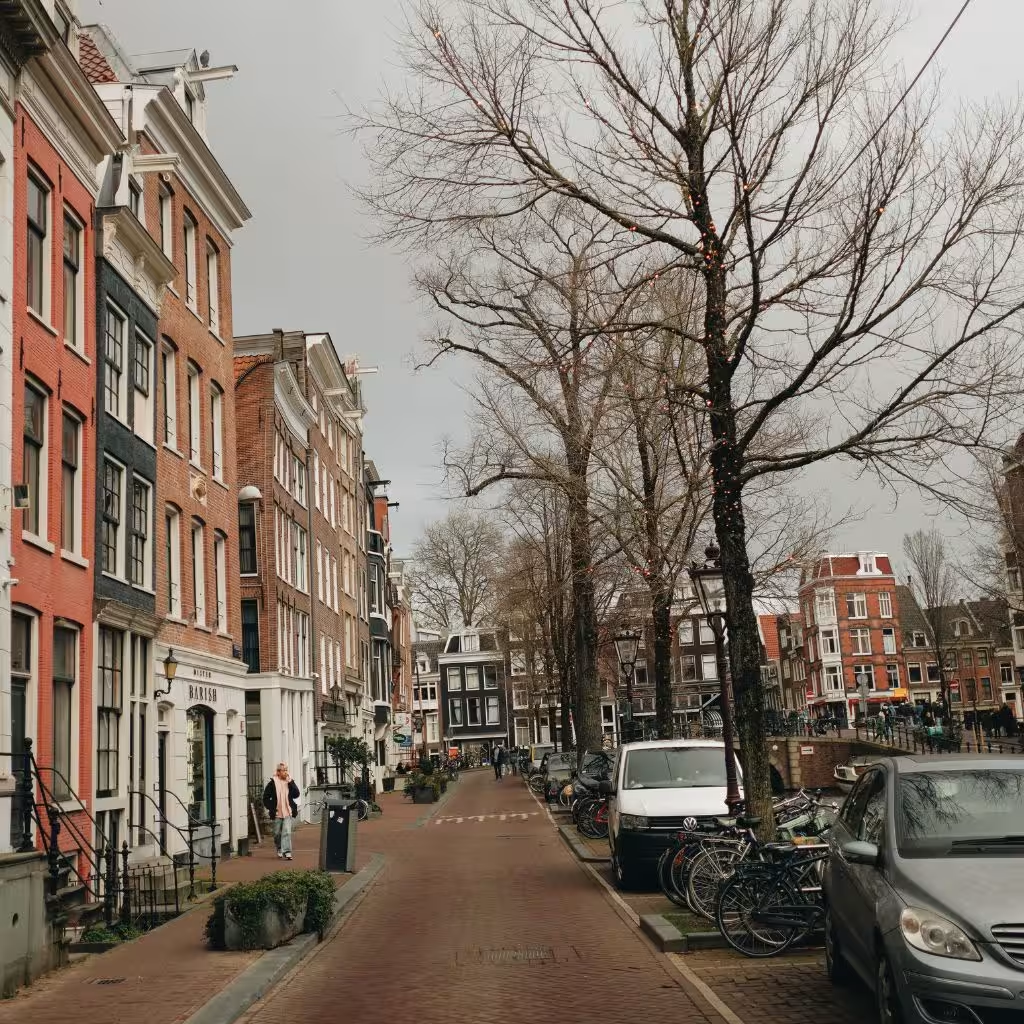
Runstraat and Huidenstraat (The Nine Streets)
Nine Streets (De Negen Straatjes) are among Amsterdam’s most popular shopping districts. These picturesque canal-side narrow streets are filled with luxury boutiques, designer stores, vintage fashion shops, concept stores, and independent brands. You can combine a Jordaan walk with a shopping trip through this area.
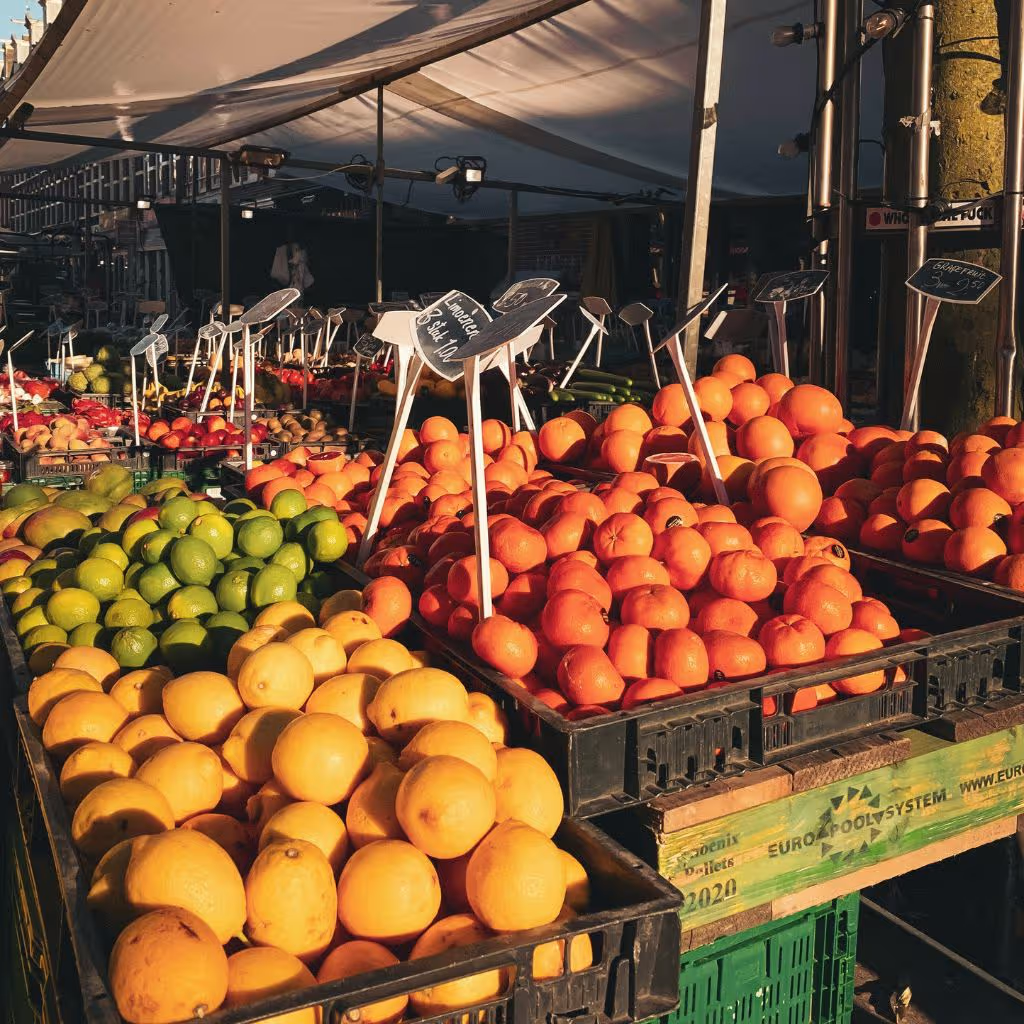
Visit Noordermarkt
Noordermarkt hosts vibrant markets on Saturdays and Mondays. On Saturdays, Noordermarkt hosts the most beloved organic markets, where visitors can shop for fresh produce, artisan foods, flowers, breads, cheeses, and local specialties.
The Lindengracht market has over 232 stalls every Saturday. The Lindengracht market has been running since 1895. Noordermarkt features fresh produce, flowers, and market food. Noordermarkt hosts a biological market every Saturday morning—Noordermarkt (Noorder market). On Saturdays from 09:00, there is a general market and an organic farmers’ market.
Noordermarkt hosts a popular flea market on Mondays. You can buy antiques, vintage clothing, books, collectibles, and unique second-hand finds. Lindengracht Market operates every Saturday with over 200 stalls.
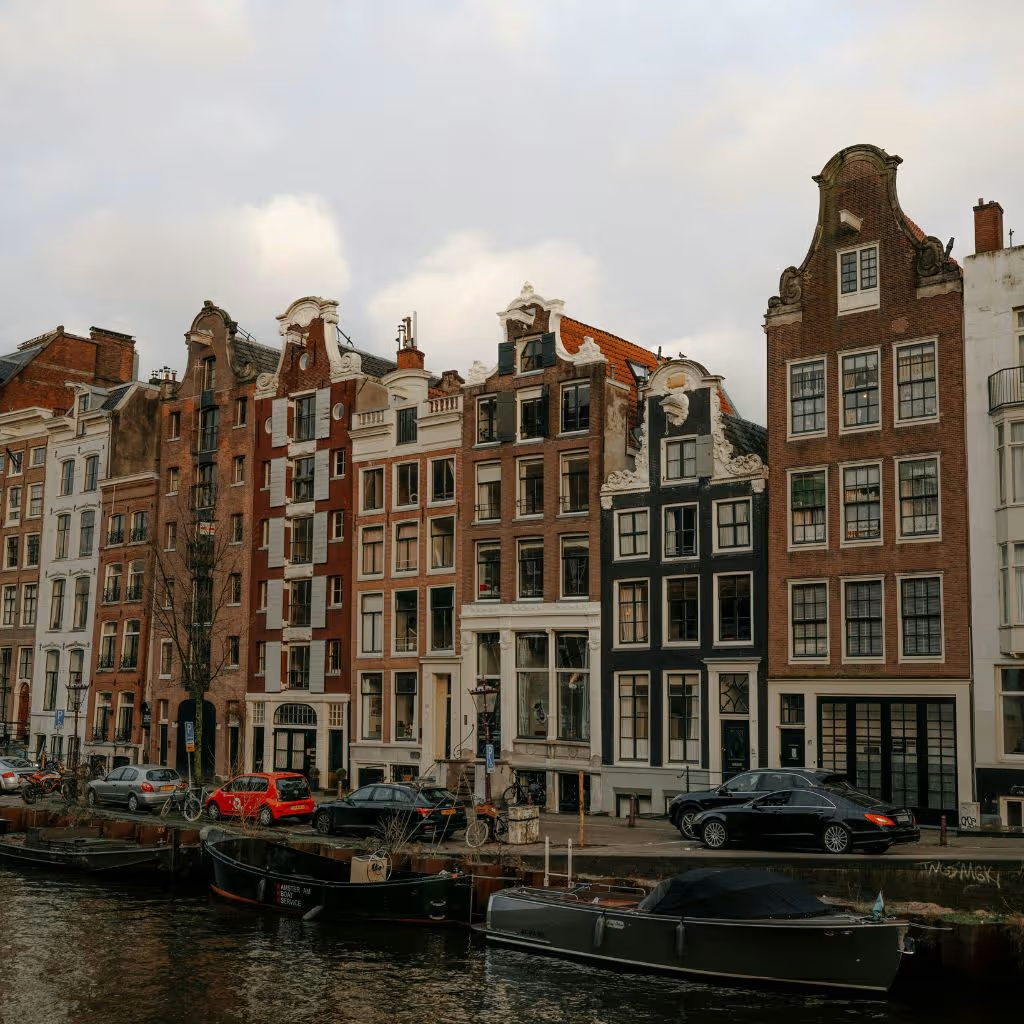
Hidden Courtyards - Hofjes or Almshouses in Amsterdam
Find secret Amsterdam gardens inside the Begijnhof. Small houses surround this hidden garden in Amsterdam. Inside the Begijnhof, the Almshouses have up to 13 apartments, an inner courtyard, and a single gate. Amsterdam Secret Gardens was founded in the 14th century at Spui Square, in the Jordaan district.
Hofjes is the best walking tour in the Jordaan district. It is a very quiet and mindful place to spend time away from Amsterdam’s traffic. When you explore the Almshouses, you can learn about the history of Begijntjes (Religious women). Kind-hearted people donate to this place to provide elderly widows with a free, stress-free life.
Students and artists now live in those small apartments. In these inner courtyards, you can take pictures, and they are easily accessible to everyone. The entrance fee is free. You can see statues, a flower garden, narrow streets, and many attractions in the Hofjes. In addition, each Hofjes has historic communal gardens in Amsterdam. We have found that 160 historical Almshouses or Hofjes are still active now in the Netherlands.
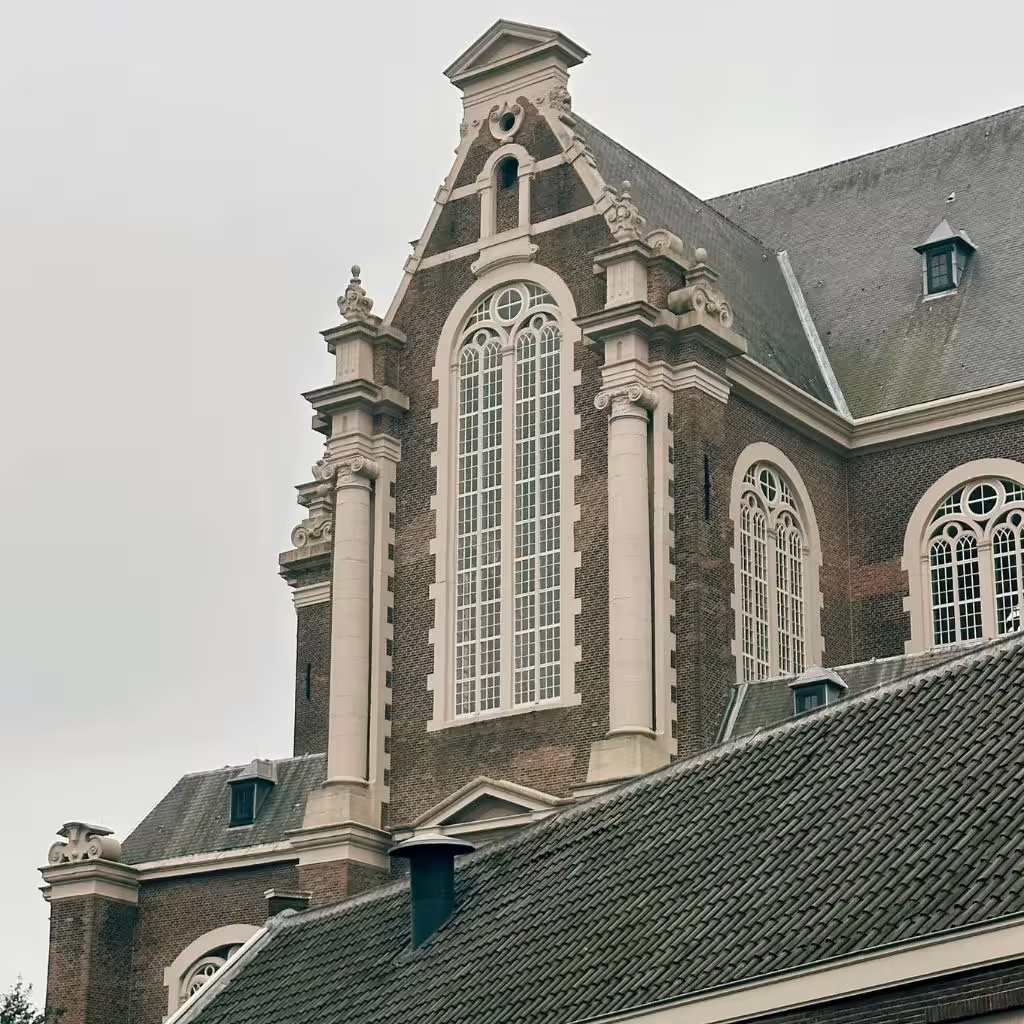
Het Raepenhofje
Het Raepenhofje is the historical landmark in Jordaan Neighborhood.The Raepenhofje was founded in 1648 by Pieter Adriaensz. Raep to provide shelter for elderly Protestant women. Raepenhofje remains a remarkably quiet place in the heart of the Jordaan. The charity foundation remains active today, and descendants of the Raep family are still involved in the management. This almshouse is easily accessible to everyone.
The courtyard originally consisted of six small houses divided into twelve one-room dwellings. Each measured only about 4 by 4.25 meters. Raepenhofje still provides free accommodation for widows and unmarried older women with limited financial means.
Historic Entrance Gate
Above the entrance is the Raep family coat of arms and the year 1648, marking the foundation of the hofje. The keystone over the arch displays a carved turnip (“raap” in Dutch). The courtyard is arranged around a small central garden that was once used as a laundry bleaching field.
Original Well and Historic Facilities
One of the most remarkable features is that parts of the original 17th-century layout still survive. The historic water well and former communal facilities remain in place, offering a rare glimpse of an authentic experience nearly four centuries ago.
Highlights
Palmgracht 28 – 38, 1015 HM Amsterdam
Entrace fee is free
Nearest attractions: Noordermarkt, Westerkerk, Anne Frank House, and the many cafés and boutiques of the Jordaan.
Contact : info@raepenhofje.nl
website: https://www.raepenhofje.nl/
Unique Dutch Products to buy
Dutch cheese
Handmade ceramics and pottery
Locally designed jewelry
Dutch design home accessories
Artisan chocolates
Vintage maps and prints of Amsterdam
Handmade leather goods
Dresses from local designers
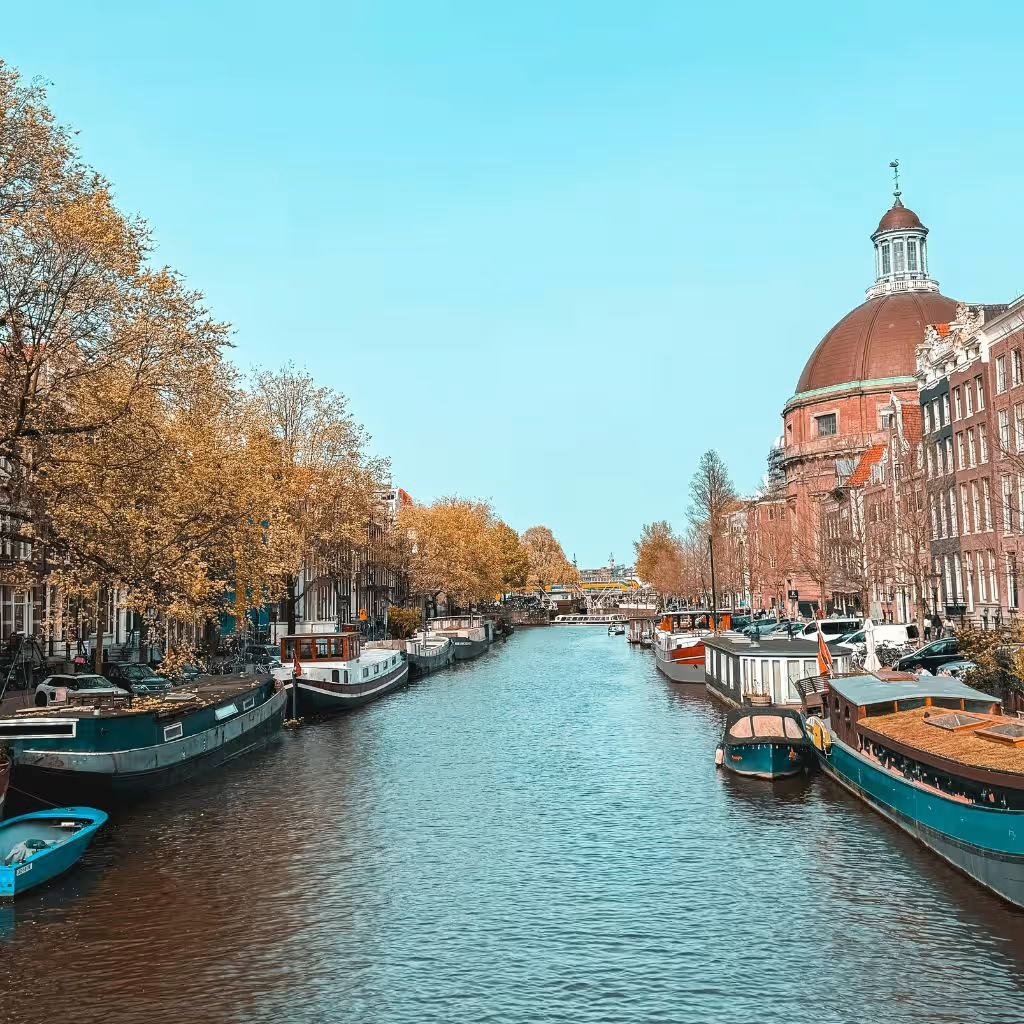
Nearby Attraction of Jordaan neighbourhood
- Paradiso Live music venue
- Van Gogh Museum
- RIJK Museum
- VOC Ship
- Red light district
- Heineken Experience
- Begijnhof
- The 9 Streets
- Skinny Bridge
- H’ART Museum
- Madame Tussauds Amsterdam
- Sexmuseum Amsterdam Venustempel
- Flower Market
- Foam Art Museum
- Museum Het Schip
- Museum Ons’ Lieve
- Heer op Solder
- Embassy of the Free Mind
- Winkel 43
- Suykerhofje
- Chinatown
- Singel Canal
The Jordaan neighborhood is considered Amsterdam’s most charming district. We have shared the top things to do in Jordaan, based on our author’s Anik Majumder review, for people planning their next trip to Amsterdam. The Jordaan neighborhood spans just 1.5 square kilometers. Earlier, large families of craftsmen and immigrants lived in the Jordaan. Now Jordaan has become a featured neighborhood in Amsterdam.